

 Pinned
INFINITY8 Reserve is Coming to Q Sentral, KL Sentral this December 2026
24 Sept 2026
Looking for office space in KL Sentral? Discover INFINITY8 Reserve Q Sentral, opening December 2026 with flexible workspaces and private offices.
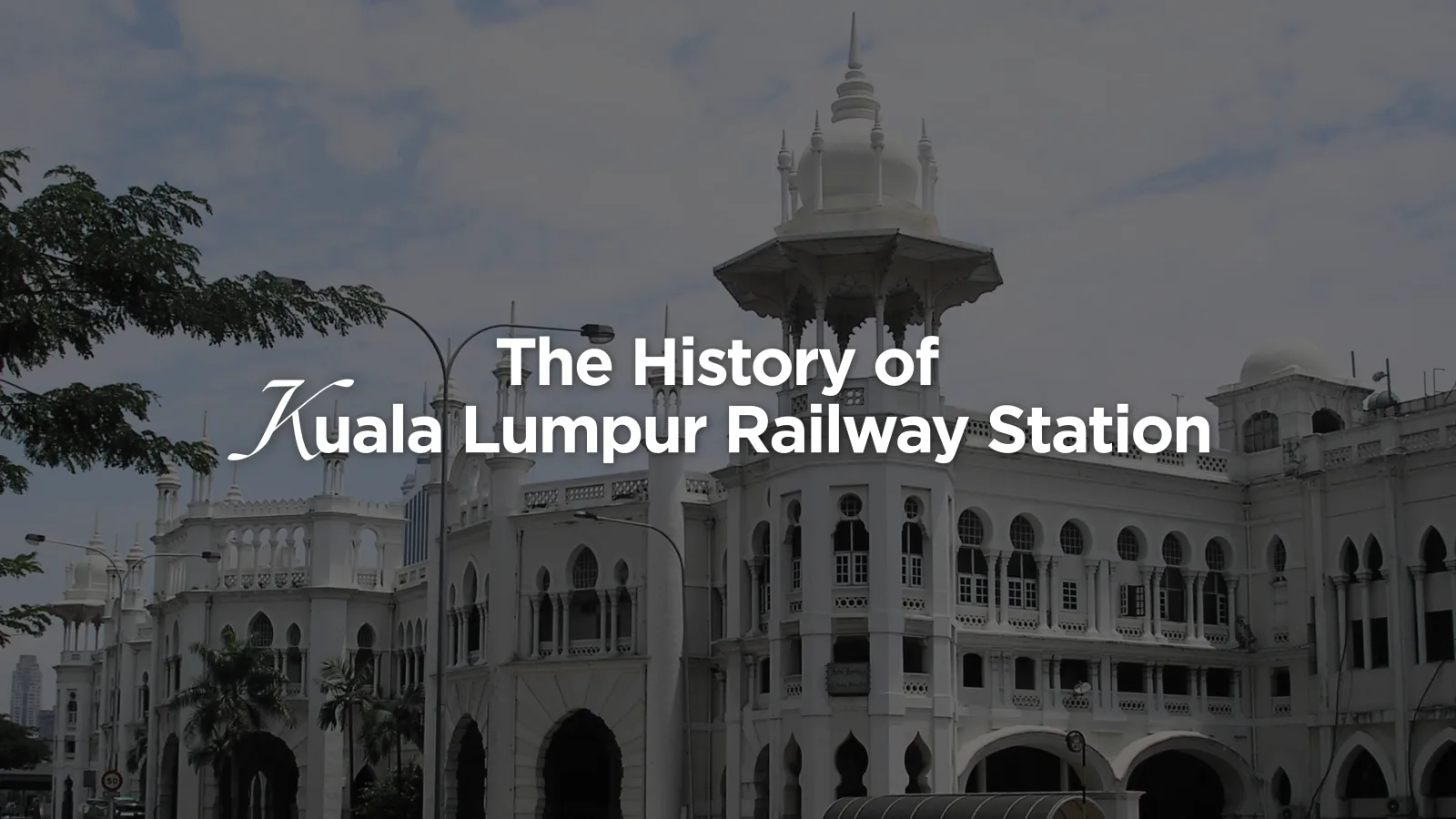
Today, Kuala Lumpur is recognized for its extensive public transport network, connecting commuters, businesses and travellers across the Klang Valley and beyond. With multiple train services, hotels, shopping destinations and office buildings in one area, it has become one of the city’s busiest transportation and commercial hubs.
Have you ever wondered what Kuala Lumpur looked like before KL Sentral existed?
Long before the modern station became part of the city’s landscape, railway travel in Kuala Lumpur began with a much simpler setup. Back in 1886, the first railway station was a modest timber building with a nipah palm roof, built to serve a growing tin-mining town. As the city expanded, so did its railway network, and the original station was replaced by newer facilities. More than 90 years later, KL Sentral opened its door, bringing a new approach to railway transportation and urban development.
So how did Kuala Lumpur get from a small railway station to one of Malaysia’s busiest transportation hubs? Let’s go back to where it all started.
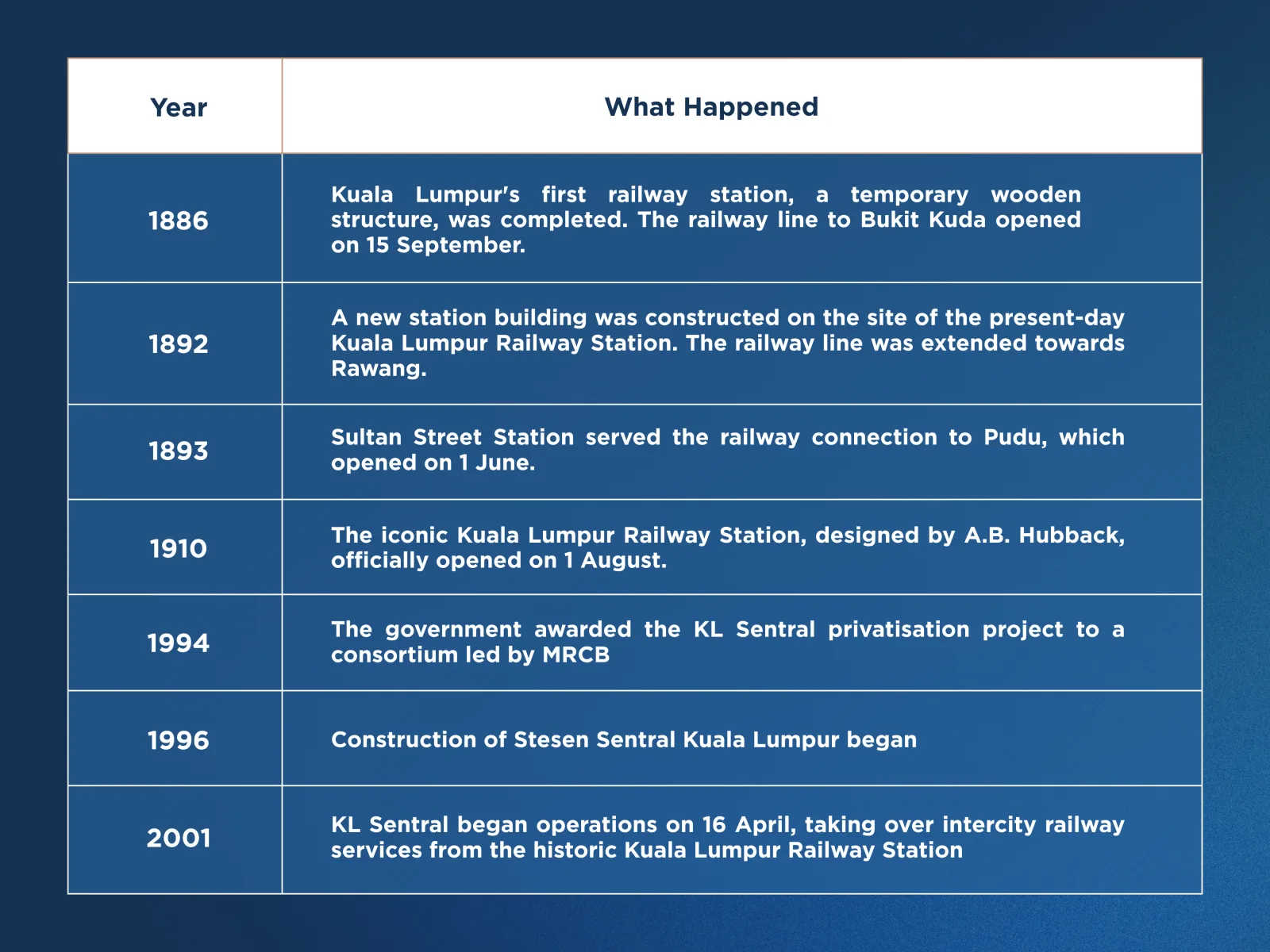
The history of Kuala Lumpur Railway Station dates back to 1886, when the city’s first railway station was built to serve the newly opened railway line connecting Kuala Lumpur to Bukit Kuda, near Klang. It is often called the Resident Station, a nickname that came from its closeness to the British Resident’s residence.
According to Malaya History, the original station was a temporary timber structure with a simple roof made from nipah palm. It was located south of the site of the present-day Old Kuala Lumpur Railway Station. The railway line officially opened on 15 September 1886, providing an important connection between Kuala Lumpur and the Klang area.
At the time, railway development was closely linked to the growth of the tin mining industry. The railway made it easier to transport tin and other goods, supporting trade and economic activity in the region. Research published in Jurnal Wacana Sarjana by Universiti Kebangsaan Malaysia also highlights the railway’s role in the development of tin mining, agriculture and land settlement around Kuala Lumpur.
Although modest in appearance, this first station marked an important step in the city’s development. It laid the foundation for a railway network that would continue to expand in the years ahead.
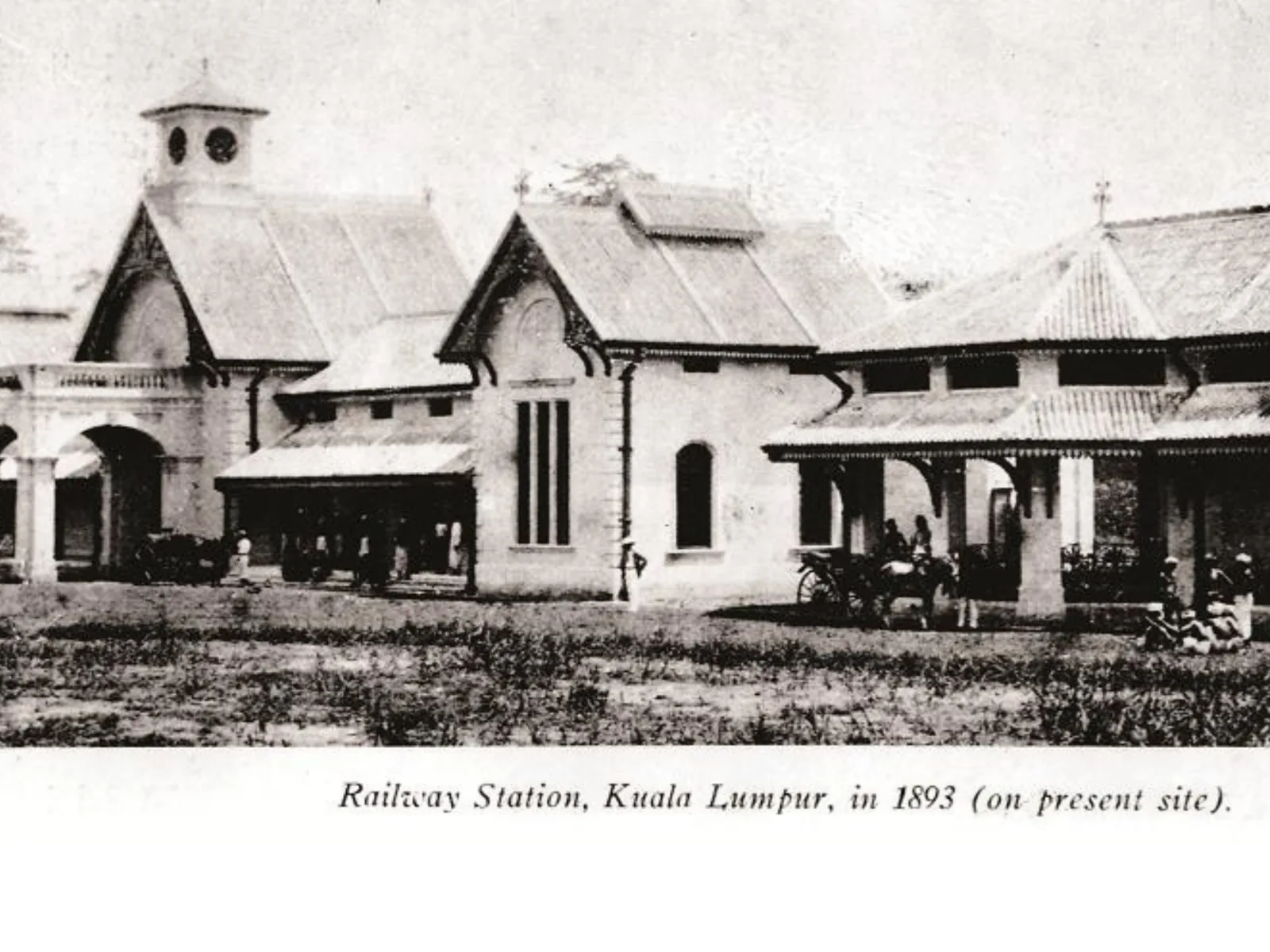
Just six years later, in 1892, a new station building was constructed on the site of the present-day Kuala Lumpur Railway Station, replacing the original wooden structure. The network was also extended north towards Batu Junction and Rawang, increasing the importance of Kuala Lumpur as a railway connection point.
Around the same time, Sultan Street Station opened to serve the line to Pudu, which officially opened on 1 June 1893. It was a separate station from the main Kuala Lumpur Railway Station, serving a different part of the growing network.
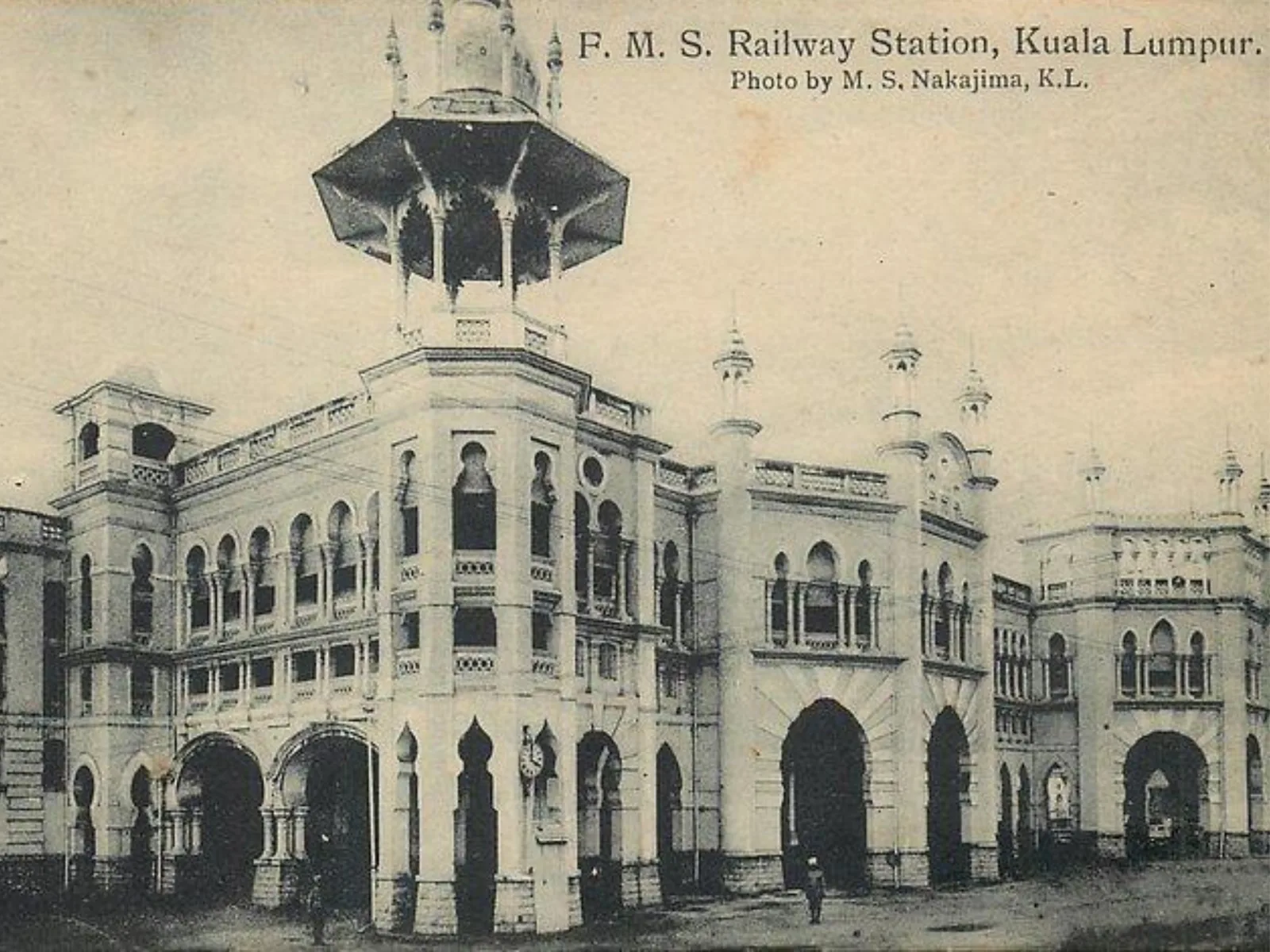
As Kuala Lumpur continued to develop, a larger and more permanent railway was needed. The earlier station buildings from 1886 and 1892 were eventually replaced by the grand Kuala Lumpur Railway Station that still stands today.
Designed by British architect Arthur Benison Hubback, the station officially opened on 1 August 1910. Its architecture is known for combining Eastern and Western influences, including elements associated with Northern Indian, Islamic and Byzantine styles.
The building featured three railway tracks, spacious offices and waiting areas, a train shed and a hotel with 30 rooms and a restaurant. The hotel was incorporated into the station complex, making it more than just a place for passengers to board and leave trains.
Its distinctive domes, arches and decorative details made the station stand out from other buildings in the city. Over time, it became one of Kuala Lumpur’s best-known architectural landmarks.
For decades, the station served as the city's main railway hub, connecting Kuala Lumpur with destinations across the peninsula. Beyond its role in transport, it also witnessed important moments in the city's history, including a 1946 gathering to protest the proposed Malayan Union.
Today, the building remains an important part of Kuala Lumpur's architectural and railway heritage.
By the late 20th century, Kuala Lumpur's transport needs had grown considerably. A larger and more integrated transport hub was needed to support the city's expanding population and railway network.
The development of Kuala Lumpur Sentral began with the government's privatisation award to Kuala Lumpur Sentral Sdn. Bhd., a consortium led by Malaysian Resources Corporation Berhad (MRCB), on 27 June 1994. The site was formerly a marshalling yard used by Keretapi Tanah Melayu Berhad (KTMB).
A concession agreement was signed on 18 August 1997, paving the way for the development of the new transport hub and the surrounding 72-acre commercial area.
Construction of Stesen Sentral Kuala Lumpur began in March 1996 and was completed in 2000. The station officially began operations on 16 April 2001, taking over intercity train services from the historic Kuala Lumpur Railway Station.
This marked a major change in the city's railway operations. KL Sentral was developed as an integrated transport hub, bringing together different rail services and improving connections for commuters and travellers.
The shift did not mean the old Kuala Lumpur Railway Station closed entirely. Instead, its role changed as intercity services moved to KL Sentral. The historic station continued to serve other rail services and remains part of Kuala Lumpur's transport network.
KL Sentral is made up of individual development lots and Q Sentral is one of them. It sits on Lot B, was developed by MRCB and Quill Group and was completed in 2015. It is a Grade A office tower, located at 2A, Jalan Stesen Sentral 2, Kuala Lumpur Sentral. According to The Edge, the name has its own story: MRCB’s CEO has said the “Q” comes from “qi”, the Chinese concept of life force.
Because Lot B is part of the KL Sentral development, Q Sentral stands on land that was once the marshalling yard.
More than a century after Kuala Lumpur's first railway station opened, the city's railway landscape has transformed considerably.
What began as a simple wooden station in 1886 has developed into a network of railway connections serving commuters, businesses and travellers. The opening of KL Sentral in 2001 brought together multiple transport services in one location, while the historic Kuala Lumpur Railway Station continues to stand as a reminder of the city's early railway development.
Today, KL Sentral remains one of Kuala Lumpur's key transport and commercial centres. Its connectivity has also made the surrounding area an attractive location for businesses looking for convenient access to the city and beyond.
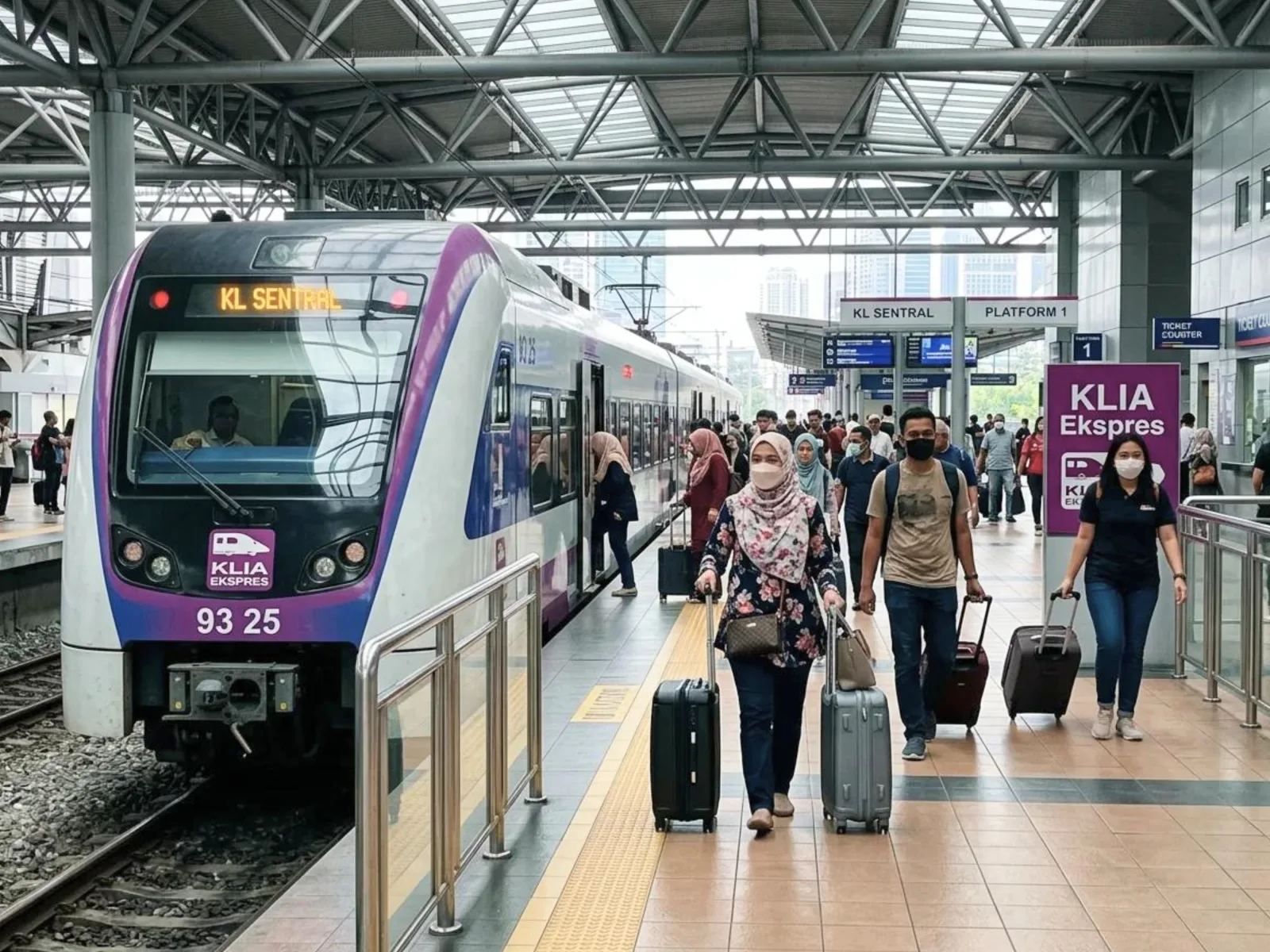
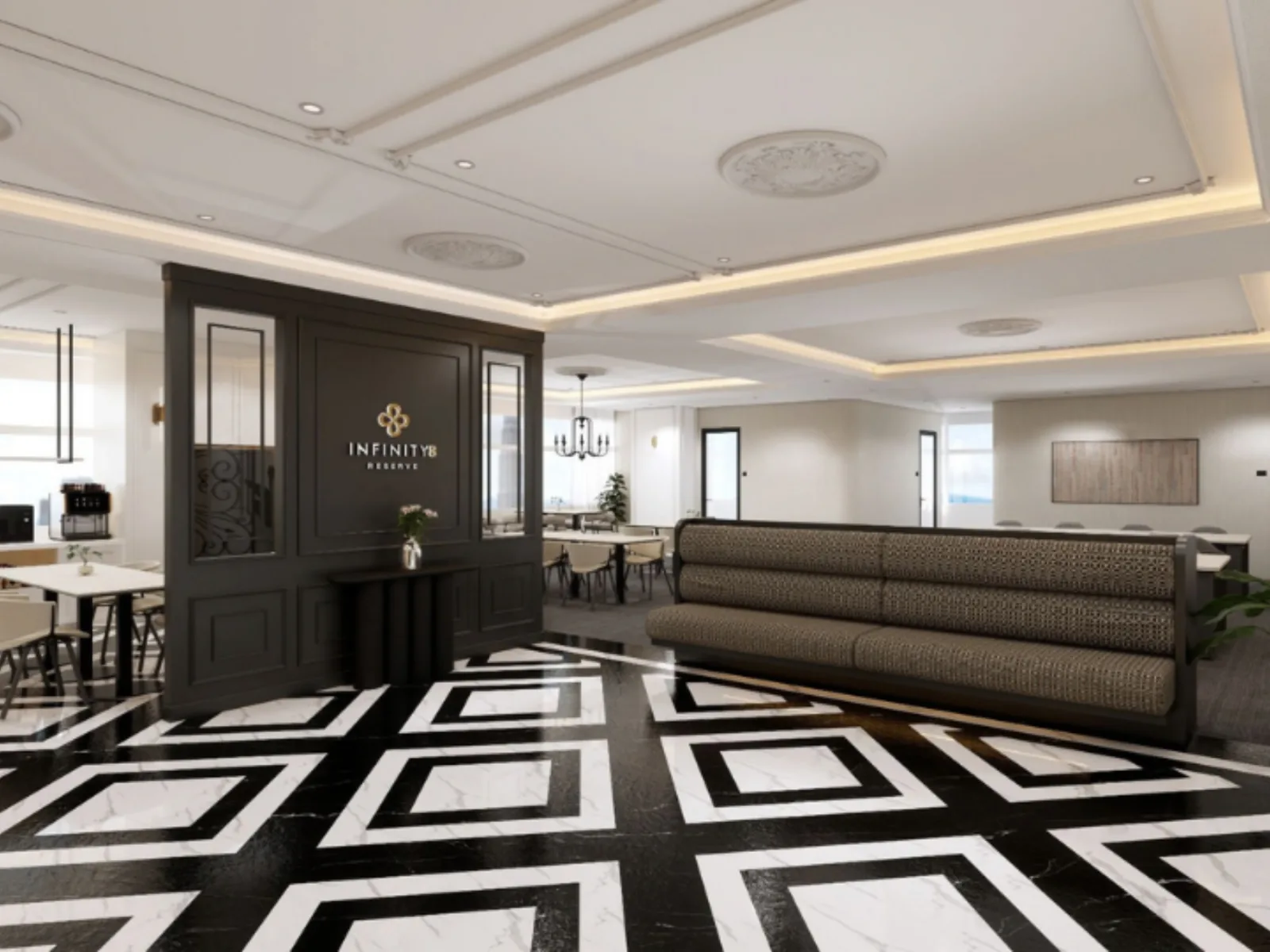
Just steps away from this major transport hub, INFINITY8 Reserve Q Sentral brings a modern workspace experience to the heart of KL Sentral. Located at Q Sentral, it offers businesses a convenient base with access to major rail connections, including the MRT, LRT, Monorail, KTM and KLIA Ekspres.
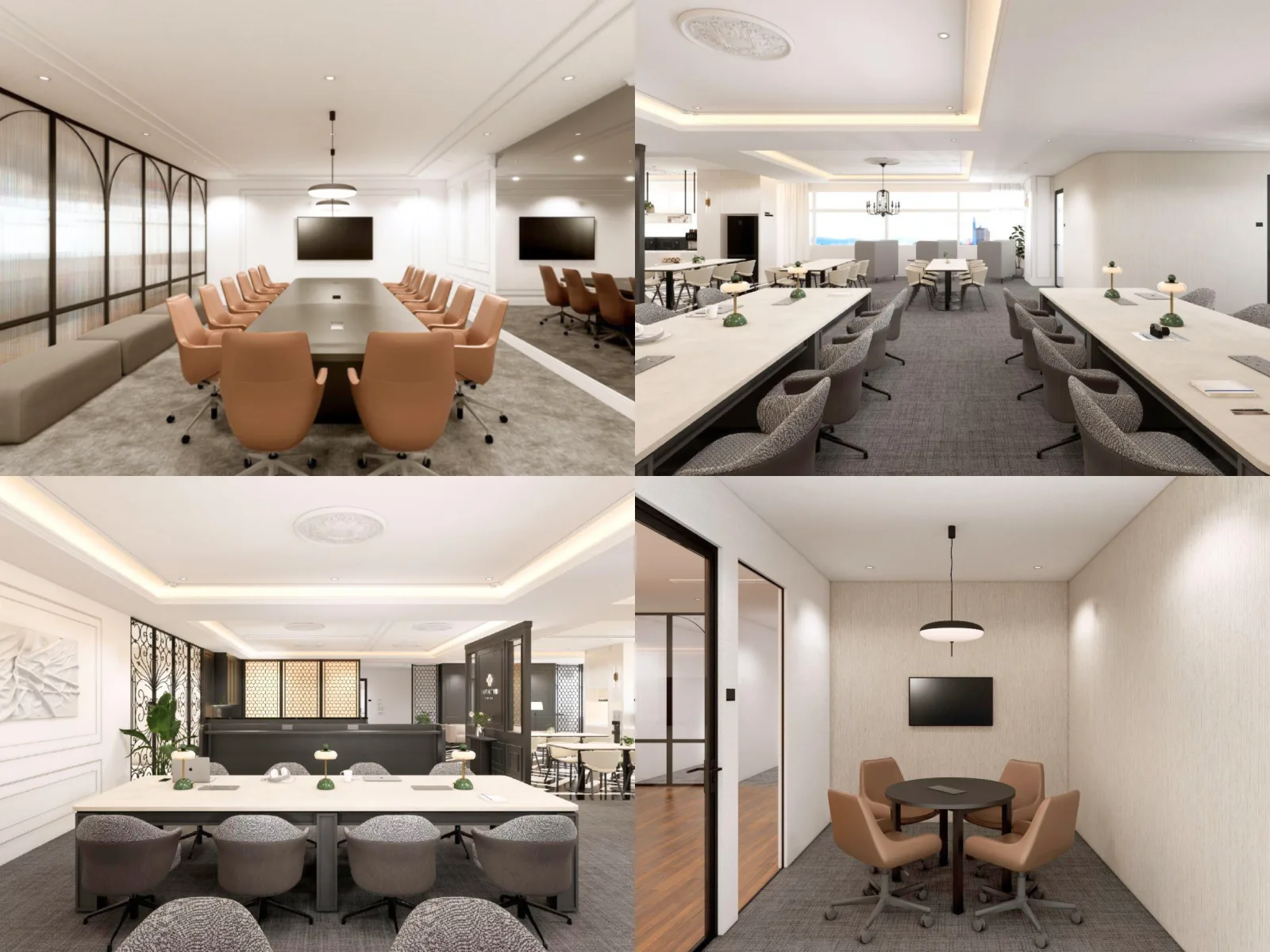
Looking for a coworking space in KL Sentral? INFINITY8 Reserve Q Sentral, opening in December 2026, brings a modern workspace to one of Kuala Lumpur’s best-connected business addresses.
Businesses can choose from a private office, a dedicated desk, a hot desk or a virtual office in KL Sentral, with flexible daily, monthly and yearly plans. Each includes 24/7 access, business-class printing, cleaning services, a dedicated landline and a pantry with complimentary tea and coffee, in a secure space with CCTV monitoring and keycard access.
With access to the MRT, LRT, Monorail, KTM and KLIA Ekspres, it is easy for teams, clients and visitors to reach from across the Klang Valley and beyond.
If you’re planning a meeting, workshop or team session at KL Sentral, you can hold it on ground that once organized the city’s railway operations. Book a free tour or enquire about our KL Sentral coworking space.
PinnedLooking for office space in KL Sentral? Discover INFINITY8 Reserve Q Sentral, opening December 2026 with flexible workspaces and private offices.
The Johor-Singapore Special Economic Zone is rising as a top data center hub in SEA, driven by digital demand, cost advantages & strategic bilateral policies.

Expanding to SEA? The JS-SEZ offers tax perks, easy setup, and faster processes—making cross-border growth more efficient and cost-effective.